
Advertisement
About 70% of what you study today will be forgotten within a week. This is unless you use the brain’s natural learning rhythms. It shows that studying harder isn’t always the best way.
This article will explain brain learning patterns. It will also show you how to use them to improve memory and performance. By understanding how the brain learns, you can see how simple habits can change your results.
We will also touch on related ideas like cognitive processing, neuroplasticity, and synaptic pruning. This will help you understand why some learning methods stick while others fade.
If you are a student, professional, or lifelong learner in the United States, this guide is for you. It offers evidence-based techniques to study smarter and boost memory retention. It helps build durable skills.
The article starts with the science behind learning and then moves to practical techniques. It shows how to apply what we know about cognitive processing and neuroplasticity. You can use these strategies right away.
Understanding Brain Learning Patterns
Learning happens when we repeat activities in our minds. When we practice a skill or go over an idea, our brain gets stronger in certain areas. These areas help us understand and use new information better.
What Are Brain Learning Patterns?
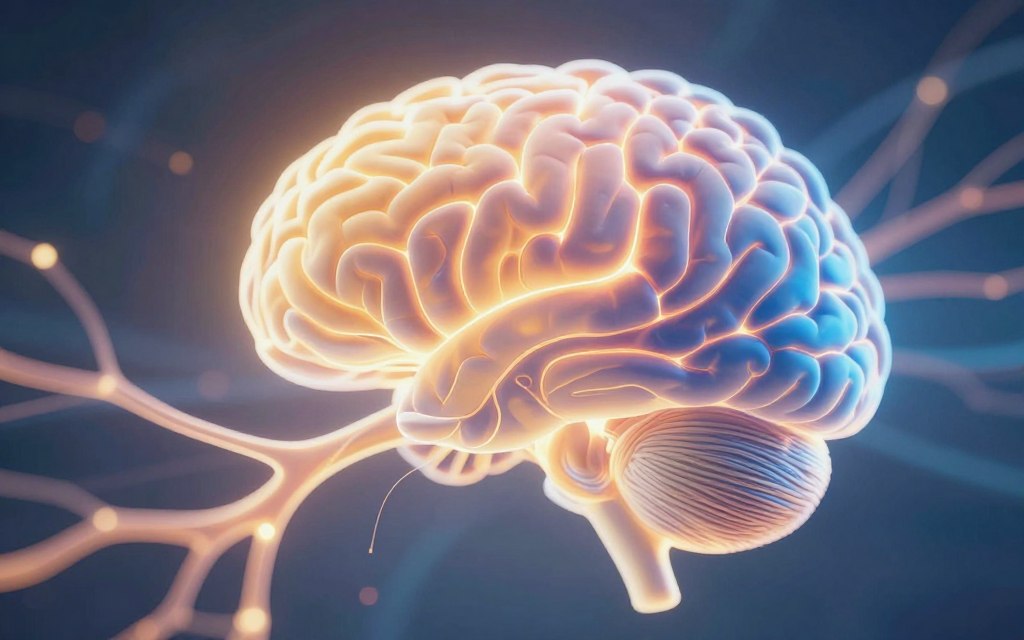
Brain learning patterns are paths in our brain that get stronger with repetition. When neurons work together, they get better at connecting. This is known as Hebbian learning, showing how practice changes us for good.
As these patterns grow, our brain works faster and more smoothly. Groups of neurons become teams that respond quickly to familiar signals. This makes learning and processing information quicker and easier.
Why Do They Matter in Learning?
Good patterns make learning faster and more automatic. They let our working memory focus on creative tasks. This helps us do better in complex situations.
But, not all patterns are good. Misconceptions and bad habits stick around because they follow the same rules. By practicing and trying new things, we can change these patterns for the better.
Knowing how we learn helps us choose the best study methods. Using techniques like spacing and mixed practice keeps our brain’s good pathways strong. This helps us learn and process information better over time.
The Science Behind Learning
Learning begins with simple signals. These can be light, sound, taste, or touch. They send information to our brain. The brain then filters this data, letting only a few items reach our conscious mind.
How Your Brain Processes Information
First, sensory input meets attention. Our focus decides what goes into working memory. Working memory holds a small amount of information briefly. It limits how much we can handle at once.
Next, encoding happens. Techniques like elaboration and chunking help make memories stronger. Elaboration links new information to what we already know. Chunking groups information into larger, easier-to-remember units.
Consolidation makes fragile memories stable. Sleep, repetition, and meaningful practice help with this. Retrieval practice, or testing yourself, strengthens recall by reactivating memory networks.
Role of Neuroplasticity in Learning
Neuroplasticity lets the brain change by forming new connections. Research by Eric Kandel shows how experience changes brain cells, supporting learning.
Long-term potentiation, synaptic growth, and dendritic branching increase circuit efficiency. These processes make learning skills improve with practice. Brain plasticity also helps in recovery after injury.
Synaptic pruning removes weak connections. This sharpens networks, making information processing faster. The balance between growth and pruning keeps the brain flexible yet efficient.
Practical tips come from these processes. Repetition and meaningful engagement drive synaptic growth. Adequate sleep and good nutrition support consolidation and brain plasticity. Design practice sessions that respect working memory limits and use retrieval practice to make learning stick.
| Stage | What Happens | Practical Tip |
|---|---|---|
| Sensory Input | External signals enter the brain; attention filters relevant items | Remove distractions and focus on one task at a time |
| Working Memory | Short-term holding space with limited capacity | Use chunking and keep input short and clear |
| Encoding | Elaboration and organization form stronger memory traces | Connect new ideas to prior knowledge and create examples |
| Consolidation | Sleep and repetition stabilize memories into long-term storage | Space practice sessions and prioritize sleep |
| Retrieval | Recall reactivates networks and strengthens traces | Use self-testing and flashcards regularly |
| Plasticity Processes | Long-term potentiation, synaptic growth, pruning refine circuits | Practice meaningfully and allow time for recovery and rest |
Different Types of Learning Styles
People learn in different ways, but strict labels can be misleading. Research shows that learning styles mix with brain patterns, shaping how we learn and remember. A flexible approach that combines methods supports better learning and more efficient processing of information.
Visual learners use charts, diagrams, and mind maps to turn ideas into images. Visual study taps the occipital and parietal regions, making use of spatial memory to boost encoding and later recall. Try color-coding notes, drawing concept maps, and pairing text with pictures to apply dual-coding for stronger memory traces.
Auditory learners retain material through hearing and speech. Lectures, discussions, and mnemonic songs engage the temporal lobes and auditory cortex, and speaking aloud helps rehearsal and consolidation. Record short summaries, listen to podcasts, or read notes aloud to reinforce pathways for information processing.
Kinesthetic learners learn best by moving and doing. Hands-on practice, simulations, and role-play recruit the motor cortex, cerebellum, and basal ganglia to strengthen procedural memory. Use labs, practice problems, and gestures while explaining concepts to anchor learning in action and support cognitive development.
Mixing modalities builds richer neural representations and more resilient brain learning patterns. A multimodal routine that blends visual aids, spoken review, and active practice helps learners adapt and improves how the brain handles complex information.
The Importance of Memory in Learning
Memory is key to how we learn and use what we know. Good memory helps students, workers, and lifelong learners apply what they learn in class to real life. Understanding how short-term memory turns into long-term memory shows us ways to remember better.
Short-Term vs. Long-Term Memory
Short-term memory, or working memory, holds a few pieces of information briefly. It helps you do math in your head or follow instructions step by step. This memory is crucial for quick tasks.
Long-term memory keeps facts, skills, and experiences for a long time. The hippocampus helps move new information into long-term storage. Over time, other parts of the brain make this information easy to recall without thinking about it.
Techniques to Enhance Memory Retention
Spaced repetition reviews material at longer intervals to fight forgetting. This method strengthens memory by making changes in the brain last longer.
Retrieval practice, like self-testing, makes recalling information easier. It strengthens the brain’s pathways for remembering, making it better at recalling later.
Elaboration and associations connect new information to what you already know. This makes it easier to find in your long-term memory.
Chunking breaks down information into smaller, more manageable pieces. This reduces the load on short-term memory, making complex information easier to handle.
Sleep is crucial for memory consolidation. Slow-wave and REM sleep help solidify memories, making them easier to recall.
Good nutrition and exercise also boost memory. Exercise and omega-3 fatty acids help the hippocampus and support new brain cells, improving memory.
Synaptic pruning keeps the brain efficient. It strengthens memories you use often and weakens unused ones. Regular practice helps keep important knowledge from being lost.
| Technique | What It Does | Practical Tip |
|---|---|---|
| Spaced Repetition | Stabilizes synaptic changes and combats forgetting | Review new material after 1 day, 3 days, 1 week, then monthly |
| Retrieval Practice | Strengthens recall pathways through active testing | Use flashcards or practice quizzes without notes |
| Elaboration | Creates multiple retrieval cues by linking ideas | Explain concepts in your own words and give examples |
| Chunking | Reduces working memory load by grouping items | Break long numbers or lists into smaller meaningful sets |
| Sleep & Lifestyle | Supports consolidation and hippocampal health | Aim for 7–9 hours of sleep and regular aerobic exercise |
The Role of Attention in Learning
Attention controls what gets into our working memory. It filters out what’s not important, letting us focus on what matters. When we stay focused, we learn better and remember more.
But, if we split our attention, we don’t learn as well. This is because our brain can’t process information as deeply.
How focus influences learning outcomes
Focus decides what our brain pays attention to. Staying focused helps strengthen the brain’s connections. This makes learning a skill or fact easier.
But, when we try to do many things at once, it’s harder. Our brain gets confused, and we make more mistakes. Research shows multitasking makes us less efficient and more prone to errors.
Tips for improving your attention span
- Try the Pomodoro technique for timed focus sessions to improve your attention.
- Get rid of distractions: turn off your phone, use browser blockers, and keep your workspace clean.
- Use mindfulness breaks to clear your mind and focus better.
- Make your environment conducive to focus: good lighting, a comfy chair, and the right background noise.
- Do attention training like meditation and exercises to improve your focus.
- Plan your day to tackle important tasks when you’re most alert, take breaks, and get enough sleep.
Regular, focused practice builds strong brain connections. This makes learning faster and more accurate. But, if you’re distracted, your brain doesn’t form strong connections, making it harder to learn in the future.
Emotional Intelligence and Learning
Emotions play a big role in how we learn. They help us stay curious and calm. This calm is key for growing our minds and making progress.
Stress and learning are closely linked. A little stress can make us focus better. But too much stress can hurt our memory and slow down learning.
How Emotions Affect Learning
When we feel safe and interested, we can think more clearly and be more creative. Feeling good helps us make connections and remember things better. The amygdala makes sure we remember important events well.
But too much stress can mess with our memory and slow down learning. Emotions also drive our motivation. Feeling like we’re making progress makes us work harder and learn better.
Strategies to Handle Stress While Learning
Try short breathing exercises to calm down and clear your mind. Relaxing your muscles and taking short mindfulness breaks can help you focus better.
Think of challenges as chances to learn, not as failures. This mindset helps you stay motivated. Break big tasks into smaller ones to avoid feeling overwhelmed.
Get support from friends or teachers. They can offer advice, share tips, and help you feel less stressed. Learning to manage your emotions helps you learn better and remember more over time.
The Impact of Environment on Learning
A clear learning environment helps the brain focus. Small changes in light, seating, and organization reduce mental clutter. Rituals like a set start time or a dedicated desk create cues that align with brain learning patterns.
Creating a Conducive Space
Choose comfortable seating and an ergonomic desk to avoid physical strain. Natural light boosts alertness and mood. Keep materials organized and within reach to save time and focus on thinking.
Designate zones for different tasks. A quiet corner for reading, a desk for writing, and a table for group work send clear signals to your mind. Consistency in location and setup trains memory and supports stable brain learning patterns.
Minimizing Distractions for Better Focus
To minimize distractions, silence notifications and place your phone in another room during study blocks. Use website blockers for social media and timers like the Pomodoro method to protect attention spans.
Declutter visual stimuli and keep surfaces tidy to limit competing inputs. Adjust room temperature and seating comfort to match longer sessions and reduce physical interruptions.
Set boundaries with housemates and schedule collaborative sessions separately from solo study. Clear social rules reduce unexpected interruptions and help preserve focused attention.
| Element | Why It Helps | Quick Tip |
|---|---|---|
| Ergonomic furniture | Reduces physical discomfort that distracts cognitive processing | Use a chair with lumbar support and a desk at elbow height |
| Natural light | Improves alertness and stabilizes attention | Face your desk toward a window or take short daylight breaks |
| Organized materials | Speeds retrieval and lowers mental load | Label storage and keep frequently used items nearby |
| Notification control | Prevents frequent task switching that harms focus | Enable Do Not Disturb and schedule check-in times |
| Auditory management | White noise or headphones can mask disruptive sounds and support attention | Create a playlist for focus or use ambient sound apps |
| Consistent rituals | Contextual cues aid retrieval and strengthen brain learning patterns | Start each session with a 2-minute review or breathing routine |
The Connection Between Motivation and Learning
Motivation plays a big role in how we learn. It helps us focus, practice, and remember. Knowing about different types of motivation helps both learners and teachers create better learning plans.
Intrinsic motivation comes from our own curiosity and love for learning. Students who are motivated from within tend to learn more deeply. Studies show that this type of motivation leads to better memory and problem-solving skills over time.
Extrinsic motivation comes from outside rewards like grades or prizes. These rewards can help us learn faster and work harder in the short term. But, use them wisely to keep our love for learning strong.
Setting clear goals helps mix both types of motivation. SMART goals are specific, measurable, achievable, relevant, and have a deadline. Breaking big goals into smaller ones helps us win often and stay motivated.
Having someone to hold you accountable helps keep you on track. Study buddies, coaches, or apps can give you feedback and structure. Connecting your goals to your values makes learning more meaningful and self-reinforcing.
From a brain science perspective, motivation affects dopamine levels. Dopamine helps us focus and learn from rewards. This chemical helps solidify memories, supporting long-term learning.
Use a mix of both intrinsic and extrinsic motivation. For new habits, start with rewards. Then, focus on intrinsic motivation to deepen your learning and improve skills across different situations.
Here’s how to start: write a SMART goal for the week, break it into three smaller goals, find a study buddy, and track how each success affects your focus and memory. This approach aligns motivation with brain learning patterns and supports steady cognitive growth.
The Benefits of Collaborative Learning
Learning with others changes how our minds work. Group study and project work boost attention and memory. These activities help us share ideas and learn better.
Learning Together: A Powerful Tool
Social learning theory shows how watching others helps us learn. Getting feedback from peers speeds up skill learning. Explaining ideas to others makes us remember them better.
Group discussions offer different views. This variety strengthens our memory. Study groups and peer teaching make learning consistent.
Building Relationships Through Teamwork
Teamwork brings support and accountability. When we work together, we stay motivated. Sharing the load makes complex tasks easier.
Social interactions activate our brain’s reward systems. Oxytocin and dopamine make us more engaged. Project-based learning and critique sessions build relationships and skills.
Technology’s Role in Learning
Good tools can make learning faster. Educational technology helps match study to brain patterns. This makes learning stick better and skills transfer easier.
Plan your online learning. Choose courses from Coursera or edX, watch YouTube lectures, and use library databases. Mix lectures with projects and quizzes to stay active.
Make a schedule and outline for your courses. Save playlists and follow a task list to avoid getting lost. This makes learning clearer and less overwhelming.
Educational apps can help with practice. Try Anki or Quizlet for memory, Duolingo for languages, and Codecademy for coding. These apps give feedback and adjust to your speed.
Look for apps that help you remember things. Gamified rewards can be fun, but the best apps focus on making you recall information. This strengthens your brain connections and improves learning speed.
Here’s a quick guide to help you choose.
| Tool Type | Example | Key Benefit | Best Use |
|---|---|---|---|
| MOOC | Coursera | Structured curricula and assessments | Foundational learning and certificates |
| Spaced-Repetition App | Anki | Long-term retention through scheduled reviews | Vocabulary, facts, and formulas |
| Language App | Duolingo | Short, daily practice with feedback | Building conversational habits |
| Coding Platform | Codecademy | Interactive exercises and instant validation | Skill application and project building |
Use app data to find your weak spots. Apps that adjust to your level help keep learning balanced and efficient.
Don’t rely too much on rewards. Mix apps with tasks that challenge you. This boosts understanding and learning speed.
Strategies to Reinforce Learning
Learning sticks when you practice and time it right. Here are some tips that match how our brains learn. Use them to keep your memory sharp and make studying worth it.
Spaced Repetition: A Proven Technique
Spaced repetition uses the spacing effect. It beats cramming by reviewing over days or weeks. Short, repeated sessions strengthen long-term memory and cut down forgetting.
Start with a short gap after first learning, then make gaps longer as you get better. Tools like Anki can help with schedules. Or, use a paper planner to mark review dates and adjust them as needed.
This method works because each successful review strengthens connections in your brain. It helps keep memories strong and follows how our brains naturally learn.
Active Learning vs. Passive Learning
Active learning makes you create and apply what you learn. Passive learning is just re-reading or watching without testing yourself.
Active learning leads to deeper understanding and better memory. Try flashcards, explaining concepts out loud, solving problems, or teaching someone else. Mix topics with worked-example review and interleaving for better recall.
Passive learning is good for first exposure, but it doesn’t stick in your memory. Mix passive inputs with active recall and spaced repetition to improve.
For the best results, combine strategies. Use active recall in spaced repetition, add different inputs like diagrams, and seek feedback. This approach strengthens brain learning patterns and boosts memory.
| Strategy | What to Do | Why It Helps |
|---|---|---|
| Spaced Repetition | Schedule repeated reviews with increasing intervals; use Anki or a planner | Promotes reconsolidation and durable memory retention |
| Active Recall | Use flashcards, self-testing, explain concepts aloud | Forces retrieval, deepens understanding, boosts long-term recall |
| Interleaving | Mix related topics or problem types within a session | Improves transfer and discrimination between concepts |
| Worked-Example Review | Study step-by-step solutions, then practice similar problems | Shows procedure, reduces cognitive load, enhances skill learning |
| Multimodal Practice | Combine text, diagrams, audio, and hands-on tasks | Engages different pathways in the brain and strengthens learning patterns |
Applying Brain Learning Patterns in Real Life
Start by turning insight into action. Use what we know about brain learning patterns to build a practical learning plan. This plan should fit your goals and daily life. A simple routine, clear goals, and the right tools help move knowledge from short-term recall into lasting memory retention.
Designing Your Own Learning Plan
Begin with a quick assessment of current skills and specific targets. Pick one or two focused skills and choose modalities that suit you—visual, auditory, kinesthetic—and mix them. Create a schedule using spaced repetitions and active tasks.
Use tools like Google Calendar, Anki, or a paper planner to keep sessions consistent.
Tracking Your Progress for Continuous Improvement
Measure what matters: accuracy on self-tests, speed or fluency, and retention at expanding intervals. Keep a short learning log and review app analytics or mock tests every few weeks. If retention slips, widen spacing and increase retrieval practice.
If motivation fades, set smaller micro-goals and revisit intrinsic reasons for learning.
Over months, small habits shape cognitive development. Regular review, environment tweaks, and stress management strengthen neural pathways through neuroplasticity. A personalized learning plan that pairs measurement with adaptation leads to steady gains in memory retention and real-world skills.