
Advertisement
Nearly 70% of U.S. adults say they need new skills to stay competitive. Yet, many still use outdated approaches to learning.
This article explores modern learning methods that boost engagement and memory. These methods work in classrooms, workplaces, and for self-study. With fast technology changes, shifting job needs, and a growing culture of lifelong learning, it’s crucial to update how we teach and learn.
We’ll look at evidence-based, innovative education techniques and teaching methods. We’ll use research from the U.S. Department of Education, studies in Educational Researcher, and big platforms like Coursera and Khan Academy.
Readers—educators, instructional designers, corporate trainers, students, parents, and lifelong learners—will find useful strategies. These include technology-driven learning, personalization, collaboration, gamification, active learning, blended models, well-being, assessment innovations, and future trends.
Understanding Modern Learning Methods
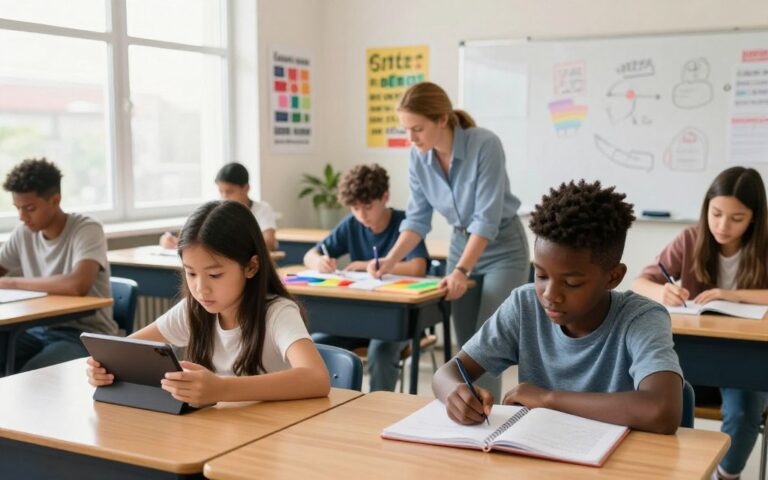
Today’s classrooms and corporate training use new methods to make learning better. These methods combine science with practical tools to improve engagement and memory. They help in transferring skills effectively.
Defining modern learning methods
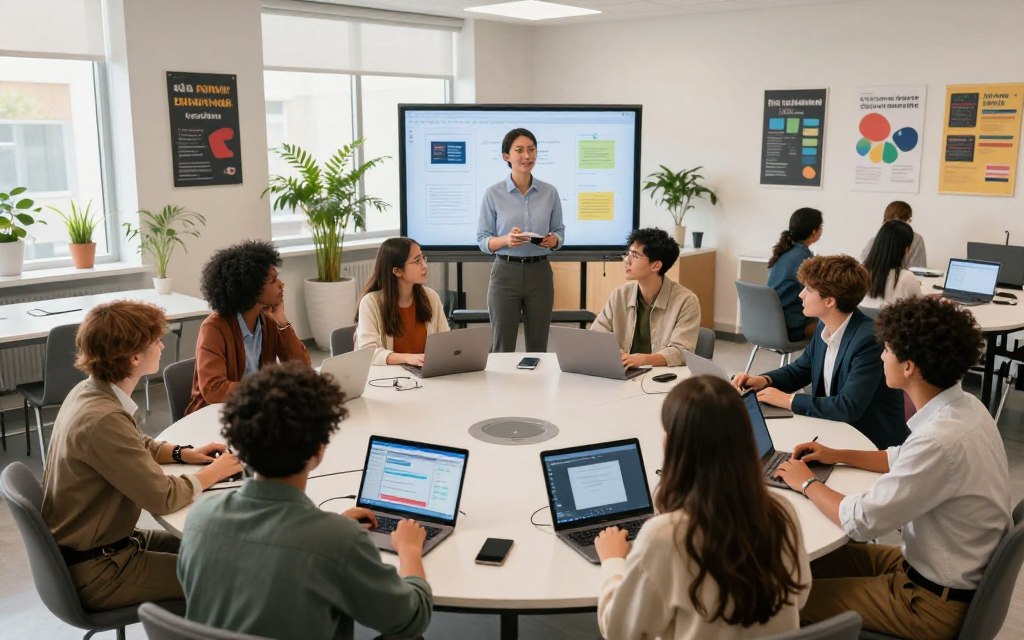
Modern learning methods focus on the learner. They use ideas like constructivism and cognitive load theory. These include personalized learning and gamification.
Technology from places like Coursera helps deliver content. It makes learning active and engaging. This way, students can apply what they learn in real life.
Importance in today’s educational landscape
New teaching methods meet different learner needs. They help close achievement gaps. Studies show that active learning and spaced review improve outcomes.
These practices support learning in remote and hybrid settings. Employers value these skills for digital literacy and teamwork. Surveys show that continuous learning is key in the workplace.
Policy makers and educators use these methods to make learning more accessible. They use MOOCs and adaptive tools for students with disabilities. But, they must ensure equity and avoid the digital divide.
The Role of Technology in Learning
Technology changes how students learn and how teachers teach. It also changes how we get certified. Schools and employers use digital learning to offer flexible study and measurable results. Here, we explore key platforms, tools, and virtual classroom practices for today’s educators.
Online platforms for effective learning
Coursera, edX, Khan Academy, Udemy, and LinkedIn Learning offer courses to millions. Learning management systems like Canvas, Moodle, and Google Classroom help teachers manage content and communicate with students.
MOOCs, micro-credentials, and stackable certificates make learning flexible. Employers use these for reskilling. Learners get flexible pacing and clear career paths through short, focused courses.
Interactive apps to enhance understanding
Duolingo, Photomath, Quizlet, and Desmos use algorithms to personalize learning. Duolingo uses spaced repetition for language. Photomath breaks down math steps. Quizlet and Desmos offer interactive tools for practice.
These tools include formative assessments, instant feedback, and gamified elements. They help teachers track progress and adjust instruction. This fits modern classroom goals that rely on advanced technology.
Virtual classrooms and their benefits
Platforms like Zoom and Microsoft Teams enable live lectures and discussions. Tools like Nearpod and Pear Deck add interactive elements to sessions.
Virtual classrooms offer accessibility, recorded lessons, and flexible scheduling. These features support adult learners and align with modern teaching approaches.
Evidence and implementation tips
Start with pedagogy. Choose tools that match your learning goals. Ensure they work with your LMS and provide teacher training.
Address equity by offering device lending and offline content. Regularly review analytics to guide instruction and refine strategies.
Risks and mitigation
Student distraction is a challenge with devices. Set clear expectations and design focused activities.
Privacy and compliance are crucial. Follow FERPA rules and use secure platforms. Teach digital literacy for safe online behavior.
Personalized Learning Experiences
Customized instruction changes how students learn. Schools use data and design to match lessons to each learner’s needs. This fits into modern classrooms that use new teaching methods.
Tailoring education to individual needs
Adaptive learning systems like Knewton and Smart Sparrow adjust lessons based on how students do. Tools like DreamBox, ALEKS, and Lexia help with math and reading. They give teachers data to make learning personal and timely.
Competency-based models let students move on when they show they’ve learned something. Teachers use data and their own judgment to guide students. They make sure to protect student data by following U.S. rules.
The impact of learner autonomy
Research shows that giving students choices boosts their motivation and effort. Letting them choose topics and work at their own pace makes them feel more in control. Tools for setting goals and tracking progress help them see how far they’ve come.
Starting small is key. Begin with a pilot, train teachers, and mix human insight with technology. Keep high standards, offer support when needed, and improve based on results. This way, personalized learning fits well with today’s teaching methods.
| Feature | Example Platform | Classroom Benefit |
|---|---|---|
| Adaptive sequencing | Knewton, Smart Sparrow | Content adjusts to student performance for efficient progression |
| Targeted intervention | DreamBox, ALEKS, Lexia | Identifies gaps and provides practice aimed at mastery |
| Competency pacing | Competency-based programs in district schools | Students advance on demonstrated skills rather than time served |
| Data-driven planning | Learning analytics dashboards | Predicts risk, informs differentiated lessons, supports teacher decisions |
| Autonomy tools | Portfolio platforms and goal trackers | Encourages self-regulation and intrinsic motivation |
Collaborative Learning Techniques
Collaborative learning techniques make classrooms more interactive. They help students develop important skills for work and life. Studies show that when students teach each other, they think more critically and communicate better.
Benefits of group projects
Group projects allow learners to test ideas and get feedback right away. They practice explaining concepts to each other. This approach improves problem-solving and retention, according to education experts.
Peer instruction, as used by Eric Mazur, enhances understanding through targeted questions. Cooperative learning boosts communication and teamwork skills. It also makes students more accountable.
Tools that facilitate collaboration
There are many tools to help teams work together. Google Workspace and Microsoft 365 let teams edit documents together. Slack and Microsoft Teams make messaging easy.
Platforms like Miro and Padlet help visualize ideas. Trello and Asana help track tasks and progress. These tools make teamwork more effective.
Classroom platforms like Flip and Piazza support learning. Flip uses videos for discussions, helping shy students. Piazza offers Q&A and moderation, capturing group knowledge.
Docs and Microsoft 365 have version histories. These help teachers see who contributed what. This ensures fair grading.
Use structured models to keep teamwork on track. The jigsaw method and problem-based learning make sure everyone contributes. Structured debates and peer instruction clarify ideas.
For online teamwork, set clear norms and mix online and offline work. Use rubrics to guide collaboration. Rotate roles and track contributions to ensure fairness.
Include both individual and group grades. Use peer evaluation rubrics and analytics to keep everyone accountable. This approach supports modern learning methods in classrooms and online.
Gamification in Education
Gamification makes learning fun by using game design. Teachers use game elements to spark curiosity and guide progress. It’s a modern way to teach in classrooms and online.
How gaming elements engage learners
Points, badges, and leaderboards give instant feedback. They motivate learners to repeat actions for rewards. Stories, levels, and challenges give learners goals and meaning.
Adaptive difficulty keeps tasks interesting but not too hard. Safe failure lets students learn from mistakes without fear. This builds mastery over time.
Examples of successful gamified learning
Duolingo uses streaks and XP to motivate daily study. Kahoot! turns quizzes into fun, competitive events. Classcraft links classroom behavior to rewards, improving social skills.
Minecraft: Education Edition supports creative learning and problem solving. These examples show how games can make learning fun and effective.
Design principles and cautions
Good design should align game mechanics with learning goals. Avoid shallow rewards that harm intrinsic motivation. Add reflection to connect game actions to real learning.
Studies show mixed results. Thoughtful gamification can boost motivation and practice. But poor designs only entertain. Equity is key to ensure all learners can participate.
Practical checklist for classroom use
- Define clear learning outcomes before choosing mechanics.
- Use adaptive challenges to match skill levels.
- Provide immediate, meaningful feedback tied to assessment.
- Include reflection prompts after game sessions.
- Offer low-tech alternatives so all students can participate.
Gamification, when used with other innovative techniques, can make learning exciting. It turns routine drills into engaging journeys.
Active Learning Strategies
Active learning makes students do more than just listen. In today’s classrooms, they solve problems, share ideas, and apply what they learn. Studies show this approach helps them remember more and fail less, mainly in science and math.
What is active learning?
Active learning means students don’t just sit and listen. They think, discuss, and solve problems. This way of learning is common in many schools and colleges today.
Techniques to implement in your study
Good classroom methods include think-pair-share and peer instruction. Case-based learning, concept mapping, and solving problems together are also effective. In big classes, tools like clickers help everyone participate.
Students can use Anki or the Leitner system for spaced repetition. They can also practice by testing themselves or explaining ideas in their own words. Pairing visuals with text is another helpful technique.
Teachers who make lectures more interactive see better results. They use short, easy tasks to keep students focused. This helps students think more deeply.
| Strategy | Class Use | Student Study Tool |
|---|---|---|
| Think-Pair-Share | Promotes peer discussion and quick feedback | Form short practice prompts to use with classmates |
| Peer Instruction | Uses conceptual questions and peer debate | Use concept inventories and explain answers aloud |
| Spaced Repetition | Assign recurring low-stakes quizzes | Anki decks or Leitner flashcards for long-term recall |
| Retrieval Practice | Include ungraded practice exams in lessons | Self-testing with practice exams or flashcards |
| Interleaving | Mix related topics in a single session | Study varied problem types in one sitting |
| Dual Coding | Combine diagrams with concise verbal explanations | Create visuals to pair with written summaries |
It’s easy to see if these methods work. Use tests before and after, concept inventories, and learning analytics. These tools help teachers improve their teaching and keep up with the latest methods.
Blended Learning Environments
Blended learning mixes online and face-to-face learning. Schools and universities use this to let students learn at their own pace online. Then, they use class time for hands-on projects.
Combining online and face-to-face instruction
There are different blended learning models. The flipped classroom is one, where students watch lectures online before class. In class, they do labs, discuss, and solve complex problems.
Rotation models have students move between online and in-person learning. Enriched virtual models mostly use online content but have occasional face-to-face sessions.
Online modules offer content, practice, and help. Tools like Panopto and Edpuzzle make prep easy. Learning management systems help guide students through their learning paths.
Advantages of a hybrid learning approach
Hybrid learning lets students learn at their own pace. They can review lessons or redo quizzes until they understand. Teachers then use class time for more interactive learning.
Blended learning helps all kinds of learners. It uses data to help teachers focus on areas where students need help. It can also save money by using online content.
Good blended learning needs clear communication and well-aligned online and classroom tasks. It’s important to teach digital skills and provide tech support. This way, everyone can succeed in both online and in-person learning.
When done right, blended learning combines digital learning with real-world interaction. It’s a flexible, measurable way to teach that meets today’s learners.
Mindfulness and Well-Being in Learning
Mindful routines help students settle, focus, and engage with lessons more clearly. Schools that pair social-emotional learning with practical habits create calmer classrooms and better outcomes. This approach fits within contemporary teaching methods and supports forward-thinking learning practices without replacing needed counseling or services.
Incorporating simple mindfulness practices
Start with short, guided breathing drills before class. Focused breathing for sixty seconds lowers heart rate and sharpens attention. Grounding exercises—feeling feet on the floor or naming five visible objects—anchor students when stress rises.
Use apps that educators trust, such as Headspace for Educators or Calm, to run brief guided meditations. Teach mindful transitions: pause for a deep breath between activities so learners can shift mental gears before tests or complex tasks.
Social-emotional learning and classroom habits
Adopt CASEL frameworks to teach self-awareness, self-management, social awareness, relationship skills, and responsible decision-making. These competencies help students persist through challenges and work better in groups.
Embed metacognitive prompts that ask learners to reflect on strategies and effort. Introduce restorative practices after conflict to repair relationships and model accountability.
Evidence linking well-being and academic performance
Research shows reduced stress and improved sleep boost memory consolidation and executive function. Mindfulness programs reliably improve attention, cut test anxiety, and create a more positive classroom climate.
Short mindfulness breaks improve sustained focus during lessons. Combining these practices with the best contemporary teaching methods raises the chance that gains will last.
Practical classroom strategies and equity
- Place 2–5 minute mindfulness breaks into daily schedules.
- Offer practices in multiple formats: audio, visual, and movement-based options.
- Make participation optional and culturally responsive so students can choose what fits their background.
- Train staff to recognize when students need mental health referrals beyond classroom supports.
These steps align mindfulness in learning with inclusive policies. They support forward-thinking learning practices while respecting diverse needs and preserving access to structural supports.
Assessment and Feedback Innovations
Assessment is changing from one-time exams to ongoing checks that guide learning. Educators mix formative practices with mastery-based assessment and project-based tasks. These methods reflect real work and use up-to-date instructional methods and advanced educational technology.
Modern assessment techniques
Formative assessment uses short quizzes, exit tickets, and quick teacher checks to catch misconceptions early. Mastery-based assessment lets students show competence at their own pace. Performance tasks and authentic assessments ask learners to solve real problems, which helps transfer skills to the workplace.
Digital e-portfolios document growth over time. Project-based assessments examine process and product, not only a final score. These methods line up with assessment innovations that prioritize continuous improvement over single high-stakes moments.
The importance of timely feedback
Fast, specific feedback speeds learning. Research shows actionable comments that target strategies work best. Feedback should focus on process and effort so students can revise work and build skills.
Technology can deliver instant corrective cues through automated quizzes or adaptive testing. Teachers use analytics to spotlight skill gaps, then give targeted guidance before a summative task.
Practical tools shape efficient workflows. Turnitin supports originality checks and inline feedback. Google Classroom enables comment threads and resubmissions. Canvas rubrics make grading consistent. Platforms like FeedbackFruits help coordinate peer review and tutor feedback loops.
Scaling feedback combines trained peer assessment with automated formative checks. Scheduled feedback cycles let students act on advice and improve before final evaluation. These practices fit well with up-to-date instructional methods and leverage advanced educational technology for wider impact.
| Assessment Type | Example Tools | Primary Benefit |
|---|---|---|
| Formative quizzes | Google Forms, Kahoot | Immediate corrective feedback |
| Mastery-based checks | Canvas Mastery Paths, Schoology | Personalized pacing and retake options |
| Performance tasks | Google Classroom, Microsoft Teams | Authentic demonstration of skills |
| E-portfolios | Seesaw, Google Sites | Longitudinal evidence of growth |
| Automated scoring & analytics | LightSide, Gradescope | Scalable, data-driven insights |
| Peer feedback workflows | FeedbackFruits, Peergrade | Student reflection and scalability |
The Future of Learning Methods
The classroom of tomorrow will mix technology, skills-based paths, and learner choice. Schools, employers, and platforms like Coursera and Khan Academy are testing new models. These models focus on real-world skills, not just sitting in class.
Emerging trends to watch
AI and generative tools will offer personalized tutoring and quick content creation. Augmented and virtual reality will let learners practice complex tasks in immersive simulations. Micro-credentialing and digital badges will help students show off their skills to employers.
Predictions for education’s evolution
Competency-based curricula will become more common, letting learners progress when they show they’ve mastered a skill. Industry-education partnerships will provide just-in-time training for in-demand roles. Learning experience platforms will offer tailored content from many providers.
Impacts on stakeholders
Teachers will focus more on designing and facilitating experiences, not just lecturing. Schools will offer flexible programs and credentialing to meet employer needs. Employers will look for skills over traditional degrees. Learners will want personalized, on-demand pathways that align with their career goals.
Challenges and considerations
Ethical AI use is crucial to avoid bias and ensure transparency. Data privacy and secure handling of learner records are essential. Teacher training must keep up with new tools. Innovations should help close gaps, not widen them.
Actionable foresight
- Run short pilots with clear evaluation metrics to test new tools and methods.
- Invest in ongoing professional development so instructors can use new tools confidently.
- Advocate for policies that fund infrastructure and protect learner privacy while promoting next-generation pedagogy.
| Trend | Short-Term Impact | Long-Term Outcome |
|---|---|---|
| AI-driven tutoring | Personalized feedback and scalable tutoring for common subjects | Routine customization of learning paths and improved mastery rates |
| AR/VR simulation | Safe practice environments for technical and clinical skills | Higher retention and faster skill transfer to real jobs |
| Micro-credentials | Faster recognition of discrete skills for immediate hiring | Stackable credentials forming full career pathways |
| Learning Experience Platforms | Curated, learner-focused content discovery | Seamless lifelong learning ecosystems linked to employment |
| Interoperable credentials | Portable proof of skills across systems | Reduced friction between education and industry hiring |
Conclusion: Adopting Effective Learning Strategies
Modern classrooms and training programs do best when they mix different methods. Active learning, personalization, and technology use are key. Collaboration and gamification also play big roles.
Don’t forget about well-being and regular checks to see how it’s working. This approach helps learners remember more and use what they learn faster.
Tips for integrating modern methods into your routine
Start with a small change, like adding retrieval practice or a flipped lesson. Use free tools like Khan Academy, Quizlet, and Google Workspace to try digital learning. This way, you can test new methods without spending a lot.
Set goals, ask for feedback, and keep improving based on what you learn. Students can also use study habits like spaced repetition and self-testing to remember better.
Encouragement to explore new learning opportunities
Educators should focus on growing professionally and share ideas with others. Try out blended or adaptive programs and track how they do. Consider getting micro-credentials from Coursera or edX to improve your skills.
Try a new teaching method this month and see how it works. Keep up with the latest tech like AI, AR/VR, and micro-credentialing. Most importantly, make sure everyone has a chance to learn in new ways.