
Advertisement
More than 80% of Americans use devices every day without knowing the tech behind them.
This article uncovers the tech in products like Amazon Alexa, Google Assistant, and Apple Watch. It also looks at Fitbit, Netflix, Spotify, Apple Pay, and Google Wallet. We explore Nest thermostats, Ring cameras, Microsoft Azure, AWS, and Meta Quest too.
These products use digital innovations like AI, cloud computing, and IoT. They also use AR/VR, smart assistants, wearables, streaming, and mobile payments. These innovations have become part of our daily lives.
We aim to help Americans understand these tech trends. We want to show how they impact our daily routines in commuting, shopping, health, work, and entertainment.
Here’s a quick overview: we’ll introduce you to the impact of modern technology. Then, we’ll dive into smart assistants, wearables, AR/VR, cloud, social media, streaming, mobile payments, and smart home devices. We’ll also talk about the Internet of Things and conclude with future directions.
Introduction to Modern Technology’s Influence
Every day, we use modern technology without even thinking about it. We check the weather or join a video call. These digital tools make our lives easier.
They change how we expect things to work. We want them fast, convenient, and easy to access.

Understanding Tech in Daily Life
Navigation apps like Google Maps help us get around. Messaging apps like iMessage and WhatsApp make talking easy. Online shopping on Amazon and Shopify helps us find what we need.
Banking apps like the Chase mobile app make managing money simple. Work gets done with Microsoft 365 and Google Workspace. Broadband and 5G make our phones faster and more reliable.
Since 2020, more people work from home and use telehealth. Tools like single sign-on and push notifications make things smooth. We don’t even notice how much they help us.
How It Shapes Our Interactions
On-demand services and short videos change how we watch media. Algorithms on YouTube and Instagram decide what we see next.
Platforms like Meta, X, and LinkedIn shape how we share news and find jobs. Sharing our location and always being online change how we interact. Privacy is key.
It’s important to review data permissions and tighten security. Using tools wisely helps us stay in control. Knowing how tech works helps us use it better.
Smart Assistants: Your Personal Tech Sidekick
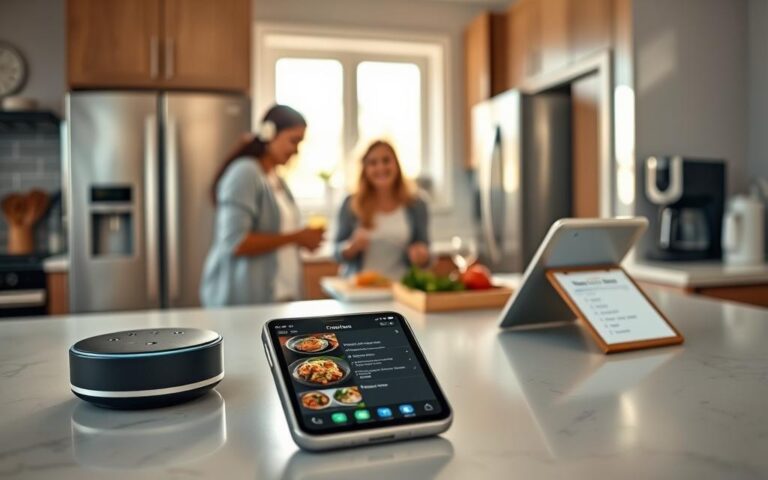
Smart assistants have become a daily part of our lives. Devices like Amazon Alexa, Google Assistant, Apple Siri, and Samsung Bixby use AI to help us. They answer questions, set reminders, and manage our calendars.
Voice control is more than just basic commands. You can ask Alexa to play music or Google Assistant for traffic updates. Siri can send messages on your iPhone. You can also refine your questions without repeating yourself.
These devices can do more than you think. For example, a “good morning” command can turn on lights and read the news. They also have features for people with disabilities, making them more accessible.
When it comes to smart homes, working together is key. Devices like Amazon Echo and Google Nest can connect with many other devices. This makes setting up your home easier and more efficient.
But, security is important too. Make sure to check your microphone settings and delete voice recordings if you want to. It’s all about finding the right balance between convenience and privacy.
Getting the most out of your smart assistant is easy. Just link your accounts, create routines, and explore privacy options. These small steps can make a big difference in how you use your devices.
| Feature | Major Providers | Common Uses | Privacy Tip |
|---|---|---|---|
| Voice Search & Commands | Google Assistant, Siri, Alexa | Answers, navigation, messages | Review and delete voice history |
| Routines / Automation | Alexa, Google Assistant, Siri Shortcuts | Good morning routines, smart lighting, news briefs | Limit third-party permissions |
| Device Compatibility | Amazon Echo, Google Nest, iPhone, Android phones | Speakers, TVs, cars, smart hubs | Use Matter-supported devices for cross-vendor support |
| Personalization & Accessibility | Siri, Google Assistant, Alexa | Voice biometrics, accessibility shortcuts | Enable account-level authentication |
| Cloud AI & NLP | Amazon, Google, Apple | Contextual replies, follow-up conversations | Check provider data retention policies |
Wearable Tech: Fashion Meets Functionality
Wearables have become a big part of our lives. They mix style with useful features, thanks to new tech and designs. Brands like Fitbit, Garmin, Apple, and Samsung are at the forefront. New smart clothes and earbuds with sensors offer more choices for those looking for the latest tech.
Fitness trackers track important health stats. They count steps, estimate calories, and monitor sleep and heart rate. They also offer guided workouts and recognize activities. Fitbit, Garmin, and Whoop provide insights that help users make better choices.
Now, wearables can even help with health issues. The Apple Watch can record ECGs to spot heart problems. They help doctors see long-term health trends. It’s important to know where your data is stored, as some apps keep it on your device, while others use the cloud.
Smartwatches do more than just tell time. They let you send messages, make calls, and even pay for things with Apple Pay. They also help with navigation, detect falls, and send emergency SOS. These features make them perfect for busy lives.
Battery life varies among devices. Smartwatches with lots of features might not last as long. But slim fitness bands can go longer but offer fewer features. Think about what you need most: battery life, health features, or a specific ecosystem.
Design is also key for many. Customizable watch faces and bands, plus collaborations with fashion brands, make wearables stylish. Finding a balance between function and style is the best approach.
Augmented and Virtual Reality: Transforming Experiences
Augmented reality and virtual reality are changing how we see and interact with the world. Augmented reality adds digital info to our real surroundings. Virtual reality, on the other hand, creates a world that shuts out the real one.
Top tech companies are leading the way in these innovations. Meta Quest offers VR for gamers. Sony PlayStation VR2 brings high-quality gaming to consoles. Microsoft HoloLens is for business use, letting people do tasks without their hands.
Apple Vision Pro is making spatial computing more common.
The next parts will explore how these technologies are used in real life.
Gaming and Entertainment: Beyond Traditional Media
Games on Meta Quest let players move around and interact with others. Beat Saber combines rhythm and exercise, making it fun to stay fit. Snapchat and Instagram use AR filters to mix creativity with brand stories.
Virtual events, like concerts in Fortnite and meetups in VRChat, are becoming popular. YouTube’s 360-degree videos let viewers explore scenes as if they were there. Advances in graphics are making VR feel more real, enhancing our emotional connection.
Real-World Applications in Education and Training
VR lets medical students practice surgeries safely. AR helps technicians at Boeing and Siemens with maintenance. Merge EDU brings science lessons to life in classrooms.
Companies use VR for training in soft skills and safety. Platforms like Strivr help with emergency drills and customer service. Benefits include better learning, safer practice, and cost savings for trainers.
But, there are hurdles like the cost of hardware and motion sickness. Concerns about content availability and privacy are also important. The future looks promising with lighter, cheaper devices and cloud rendering.
Cloud Computing: The Backbone of Modern Tech
Cloud computing is behind many services we use daily. It powers streaming libraries, email, photo backups, and app backends. Big names like Amazon Web Services, Microsoft Azure, and Google Cloud Platform offer different cloud services.
Accessibility Anytime, Anywhere
Google Drive and Microsoft OneDrive let you access documents on any device. Netflix and Spotify stream media from the cloud, so you can watch or listen anywhere. Google Docs and Microsoft Teams use cloud infrastructure for fast, shared editing.
Edge computing and hybrid cloud setups reduce delays by processing data closer to users. AWS Lambda@Edge and Azure Edge Zones are examples. These advancements enhance remote work, cross-device sync, and quick app deployment.
Impact on Businesses and Personal Use
For businesses, the cloud means scalable resources and pay-as-you-go models. This cuts down on upfront costs. Companies use managed services for databases, AI/ML tools, and global distribution.
Consumers enjoy cheaper services, faster feature rollouts, and better reliability. Photo AI in Google Photos and Siri’s voice processing use cloud resources. Basic security steps like two-factor authentication and careful account recovery protect personal data.
Small businesses can avoid heavy upfront costs with cloud platforms. They get access to innovative solutions that once needed large IT teams. This change shows how modern technology is evolving for everyone.
Social Media: The Evolution of Communication
Social media has grown from simple updates to a key part of our lives. Sites like Facebook, Instagram, X, TikTok, LinkedIn, and Snapchat are leaders. New networks keep popping up as tech advances our ways of connecting and discovering.
Connecting the World: More Than Just Posts
Facebook and Instagram host community groups that help neighbors. Small businesses sell online without a store. Creators earn money through YouTube and TikTok.
Live shopping happens right in feeds. Civic groups use these platforms for events and voting. This shows how tech can bring people together, but also spread false info fast.
Algorithms: How They Influence What You See
Algorithms like TikTok’s For You page and YouTube’s home feed show us content we might like. They learn from our likes and watch time. This helps keep our attention.
But, this focus on short videos can lead to seeing only similar views. Moderation and guidelines try to keep things safe. Laws and hearings push for clearer rules.
Users and businesses can shape their online world. Follow diverse creators and use privacy settings. Verify info before sharing and use analytics to turn views into sales. These steps help creators grow and help us navigate the digital world.
Streaming Services: Consuming Content Evolved
Streaming services changed how we watch shows, listen to music, and see live events. Companies like Netflix, Hulu, and Disney+ use modern tech to offer huge libraries on demand. Services like Akamai and Cloudflare CDNs ensure smooth video and audio on any device.
The move from cable to on-demand has become a big cultural shift. More people cut the cord for better schedules and lower costs. Services like Peacock and Hulu offer ad-supported options. Disney’s bundle tries to combat subscription fatigue by giving users choices.
Live sports and events have pushed services to get streaming rights. Now, both broadcasters and tech companies compete to reach those who cut the cord. This change has also changed TV production, advertising, and how shows and films are shared worldwide.
Recommendation systems make watching more fun by showing you what you might like next. They use data like what you’ve watched and how you interact with content. Netflix tests different thumbnails and Spotify creates playlists based on what you listen to.
Data helps make these recommendations better. It includes what you’ve watched, your device, and how you interact with content. You can control how much data is used and what’s shared with privacy settings.
Here are some tips to manage your streaming experience:
- Use separate profiles to keep recommendations just for you.
- Try combining ad-supported and premium plans to save money.
- Set up parental controls for kids and check your privacy settings.
Key ways modern technology and the latest advancements shape streaming:
- CDNs and cloud transcoding reduce buffering and scale global delivery.
- Adaptive streaming matches quality to connection speed in real time.
- Recommendation engines leverage digital innovations to suggest content.
- New business models reflect current tech trends and changing viewer habits.
Mobile Payment Solutions: The Future of Transactions
Mobile payment solutions are changing how we buy things. Apple Pay, Google Wallet, Venmo, and PayPal are now in our phones. Stores like Starbucks and Target let us pay with just a tap.
Transit systems and banks are also getting on board. This shows how technology is changing our lives.
Digital wallets make paying easy and safe. They use tokenization to hide your card number. Face ID and Touch ID check who you are.
Secure elements in devices add extra protection. Systems watch for fraud and tell you right away.
Tap-to-pay makes buying things faster. You can buy things in apps and store boarding passes. It’s all about making life easier.
During the pandemic, contactless payments became popular. People used cards, smartwatches, and phones for safer payments. Stores updated to accept these new ways to pay.
Now, you can even pay later with services like Affirm and Klarna. This changes how we buy things.
To stay safe, use a PIN and remote wipe. Make sure the payment terminal looks real. Turn on alerts for any unexpected charges.
Banks and card companies keep updating us. They help make these new ways of paying better and safer.
Rules on EMV contactless standards are helping. Apps are getting better with new features. As technology improves, paying with our phones will become even easier.
Smart Home Devices: Automating Your Lifestyle
Smart home devices create a connected world that makes life easier. Brands like Google Nest, Ecobee, and Philips Hue offer products that work with apps or voice assistants. New standards like Matter make it simpler to connect different devices.
Thermostats and Lighting: Energy Efficiency
Smart thermostats learn your habits to save energy. Google Nest and Ecobee let you control them from anywhere. They also give energy reports and work with utility programs.
Smart lights from Philips Hue and LIFX use LEDs and sensors to save energy. They change color to help you sleep and stay focused. You can get rebates for energy-efficient devices.
Security Cameras: Peace of Mind for Homeowners
Security cameras now have features like motion detection and AI alerts. Ring Protect and Arlo Smart offer cloud services. Some focus on keeping data local for privacy.
Check local laws and guidelines for recording. Cameras work with alarm systems for quick help. Keep your Wi-Fi strong and update your camera’s software regularly.
Choose between cloud plans and local storage based on your needs. These steps enhance security and use the latest tech.
| Device Type | Popular Brands | Key Benefits | Privacy Options |
|---|---|---|---|
| Smart Thermostat | Google Nest, Ecobee | Adaptive schedules, energy reports, remote control | Local data storage, opt-out analytics |
| Smart Lighting | Philips Hue, LIFX | LED efficiency, scenes, motion sensors, circadian lighting | Local hubs, bulb-level control |
| Smart Lock | August, Yale | Keyless entry, guest access, activity logs | Local PINs, encrypted connections |
| Security Camera | Ring, Arlo | Motion alerts, two-way audio, cloud or local recording | Encrypted local storage, disable cloud |
| Smart Hub / Bridge | Amazon Echo, Apple HomePod, Google Nest Hub | Central control, voice commands, ecosystem linking | Account security, two-factor authentication |
The Internet of Things (IoT): Everything is Connected
The Internet of Things makes everyday objects share data. Smart refrigerators and Nest thermostats are part of this network. It changes how we live and work.
Everyday devices enhance routine tasks.
Smart appliances from Whirlpool and Samsung track inventory and suggest recipes. Keurig’s app lets users schedule coffee before waking up. Philips Hue lights wake you gently, and connected irrigation systems save water.
Health gadgets like smart scales track weight and suggest changes. Apps show trends and encourage small changes. A single command can adjust lights, heat, and coffee in the morning.
Everyday Devices Enhancing Your Routine
These devices save time, energy, and make life easier. Predictive maintenance alerts prevent surprise repairs. Geofencing locks doors when you leave, improving security.
Enterprise platforms from Cisco and Siemens apply the same logic to factories. Sensors predict failures and reduce downtime. These trends offer insights to optimize processes and cut waste.
Challenges and Considerations of IoT
Security is a big concern. Devices with default passwords or outdated firmware are vulnerable. The Mirai botnet showed how gadgets can be used in attacks.
Data privacy is also crucial. Users should read privacy policies to understand data collection and storage. Some devices process data locally to protect it, while others use cloud analytics for deeper insights.
Interoperability is a challenge when devices don’t work together. Standards like Matter aim to solve this. Questions about data ownership and liability for autonomous actions are still being answered.
To reduce risk, change default passwords and keep firmware updated. Place IoT devices on a separate guest network. Choose reputable brands with strong security records to protect your data and enjoy these innovations.
Conclusion: Embracing Modern Technology in Everyday Life
Modern technology has become a big part of our daily lives. We use voice assistants, wearables, streaming services, cloud tools, and smart homes. These tools make our lives easier and open up new opportunities at work and home.
It’s important to know how these tools fit into your life. This way, you can use them more effectively.
Stay up to date on the security and privacy of the services you use. Simple steps like reviewing app permissions and enabling two-factor authentication can help. Also, read privacy policies and think about your data sharing choices. These actions keep your data safe while you enjoy the benefits of new technology.
Think about the future of technology. We’ll see more generative AI, spatial computing, and smart home devices. There will also be more focus on data privacy and growth in subscription-based services. Be cautious when trying new tools and choose ones that are secure and work well together.
Notice the technology around you and use it wisely. Keep learning as technology changes. By being curious and careful, you can make the most of modern technology and its innovative solutions.